
Table of Contents
“An effective SEO campaign strategy connects relevant keyword targeting, useful content, trustworthy landing pages, and clear calls to action to turn organic traffic into qualified leads and measurable business results.”
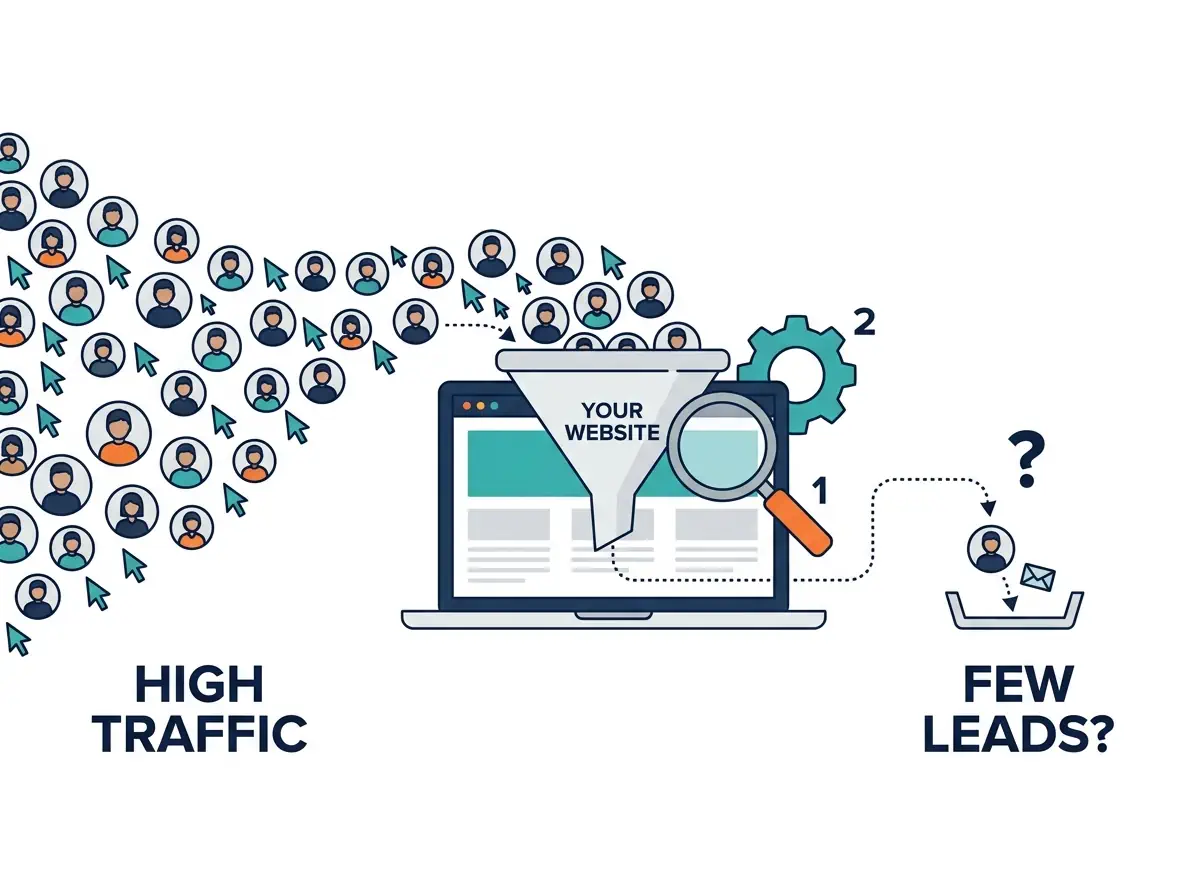
Your website may be getting visitors, but that does not always mean you are getting customers. If traffic is growing while calls, inquiries, and bookings stay low, there may be a gap between your SEO and your lead generation.
A strong SEO campaign strategy does more than bring people to your website. It targets the right searches, matches search intent, builds trust, and guides visitors toward taking action.
If your website gets traffic but few leads, it is time to look at what happens after people find you.
Why Website Traffic Does Not Always Lead to Customers
Website traffic is an important SEO metric, but it is not the final goal.
People visit websites for many reasons. Some want quick answers. Others are comparing services. Some are ready to contact a business.
This means a website can receive a large amount of traffic without generating many qualified leads.
The key question is not:
“How can we get more traffic?”
It is:
“Are we attracting people who are likely to need our services?”
Your SEO strategy should focus on relevant visitors and useful actions, not just higher traffic numbers.
Your SEO Campaign May Be Targeting the Wrong Keywords
Keyword selection is one of the most important parts of an SEO campaign.
Some businesses choose keywords based mainly on search volume. While search volume can be useful, it does not tell you whether a keyword can attract the right audience.
Your keyword strategy should consider:
- Search intent
- Relevance to your services
- Customer needs
- Location
- Competition
- Business value
Focus on Search Intent
An SEO campaign strategy should match what people want when they search.
Some users want information. Others compare options or look for a service. Your content should match their intent.
For informational searches, answer the question clearly. For service searches, explain the service and make the next step easy.
When keywords do not match search intent, you may get traffic without getting leads.
Your Landing Pages May Not Match What Visitors Need
Getting someone to click your search result is only the beginning.
Once visitors reach your website, they should quickly understand that they are in the right place. If the page does not match their search, they may leave before contacting you.
Your landing pages should clearly explain:
- What you offer
- Who you help
- What problem you solve
- Where you provide the service
- What visitors should do next
The page should also support the intent behind the keyword.
If someone searches for a specific service, sending them to a broad homepage may not give them enough information. A focused service page can provide a clearer path.
Make Your Landing Page Easy to Understand
SEO campaign strategy should make it easy for visitors to understand your offer and take action. Use clear headings, short paragraphs, useful details, and direct calls to action.
Remove information that does not help visitors make a decision. A strong landing page should connect their search, your service, and the next step.
Your Website May Not Build Enough Trust
Trust matters when turning visitors into leads. People want to know who they are dealing with before they contact a business.
Show clear service details, real business information, customer reviews, and other trust signals that help visitors feel confident in your business.
Build Experience, Expertise, and Trust
A strong SEO campaign strategy should show real experience, accurate information, and trust.
Show real experience.
Share useful insights based on your work, services, and customer needs. Avoid copying general information from other websites.
Demonstrate expertise.
Create clear, accurate content that answers real customer questions. Avoid unsupported claims and make sure technical information is correct.
Build authority and trust.
Make your business details, services, contact information, reviews, and team information easy to find. Always use honest and accurate claims.
Good SEO content should help people first.
Your Calls to Action May Be Too Weak
A visitor may be interested in your service but still leave if the next step is unclear. Every important page should have a clear and relevant call to action.
Depending on your business, this may include:
- Request a quote
- Call the business
- Book a service
- Schedule a consultation
- Send an inquiry
The call to action should match the page and the visitor’s intent. Avoid using vague wording when a more direct option can tell the visitor exactly what to do.
Make the Next Step Easy
Lead generation should not feel like work.
Keep contact forms simple. Make phone numbers easy to find. Ensure important buttons work properly on mobile devices.
If visitors have to search for a way to contact you, some potential leads may leave before taking action.
Your Content Gets Traffic but Few Leads
SEO campaign strategy should not focus on traffic alone. Blog posts can bring visitors, but many are still researching and may not be ready to contact a business.
Your content should answer their questions, build trust, and guide them to relevant service pages. Use helpful internal links and clear next steps to move visitors from learning to taking action.
Connect Content to Your Services
Relevant internal links can help readers move from informational content to useful service pages.
This creates a clearer customer journey:
Search → Helpful Content → Relevant Service → Contact
The connection should feel natural.
Do not force links simply to add more internal links. Each link should help the reader find information that supports their needs.
Your Service Pages May Be Too Thin
A website can have many service pages and still fail to generate leads. Page count is not the same as page quality.
A useful service page should provide enough information for visitors to understand what the service involves and why they may need it.
Consider covering:
- The service itself
- Common customer needs
- Key benefits
- Areas served
- What customers can expect
- Relevant trust signals
- Frequently asked questions
- A clear call to action
Avoid creating pages that only change a keyword or location name.
Thin or repetitive content can provide little value to users and may not give search engines enough useful information about the page.
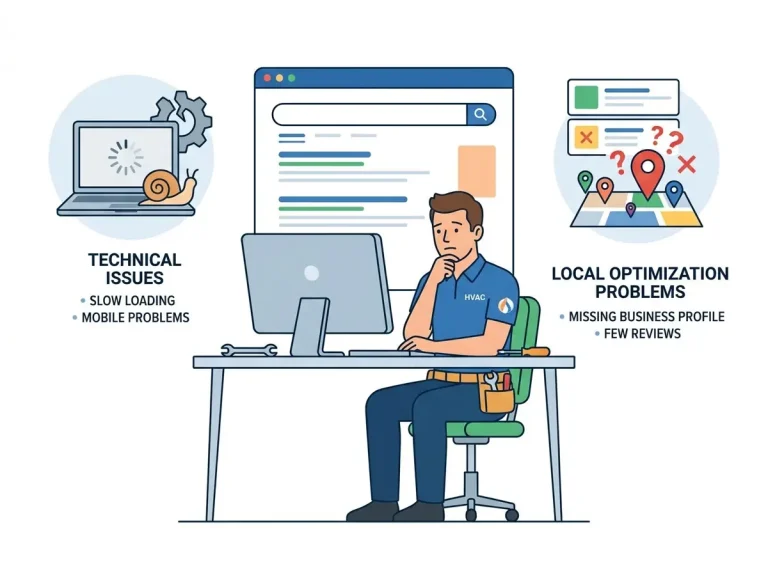
Your Website Experience Could Be Losing Leads
SEO can bring visitors to your website, but the website experience can affect whether they stay.
Check for common problems such as:
- Slow page loading
- Poor mobile design
- Broken contact forms
- Difficult navigation
- Confusing layouts
- Missing contact details
- Weak calls to action
A website should make it easy for visitors to find what they need.
Check Your Website From the Customer’s View
A strong SEO campaign strategy should also look at your website from the customer’s view. Ask:
- Is your main service clear?
- Can visitors find what they need quickly?
- Is your contact option easy to see?
Simple checks like these can reveal hidden problems that may be costing you leads.
Your SEO Campaign May Be Measuring the Wrong Results
Rankings and traffic can show whether your SEO campaign is gaining visibility. However, they do not tell you everything about business performance.
You should also monitor actions that have a direct connection to lead generation.
These can include:
- Contact form submissions
- Phone calls
- Quote requests
- Consultation requests
- Bookings
- Qualified leads
- Sales, when reliable tracking is available
Look Beyond Rankings
SEO campaign strategy should focus on more than rankings and traffic. A page with fewer visitors can be more valuable if it brings qualified leads.
Track calls, inquiries, bookings, and other actions that support your business goals. SEO should drive real business results, not just higher numbers.
Build an SEO Campaign Around the Customer Journey
A successful SEO campaign strategy should consider the complete journey from search to conversion.
Start with keyword research. Understand what people are searching for and why. Then create or improve pages that match those needs.
After that, focus on trust, website experience, internal links, and calls to action. The process should work together:
Relevant Search → Useful Page → Trust → Clear Next Step → Lead
If one part is weak, the entire journey can suffer.
This is why adding more keywords or publishing more content may not solve a lead problem by itself.
How Fervil Von Supports SEO Campaign Strategy
SEO campaign strategy is about more than rankings. Fervil Von helps service businesses improve keyword targeting, on-page SEO, content, technical SEO, link building, and local SEO.
As an SEO Agency Philippines, Fervil Von focuses on reaching the right audience, improving search visibility, and creating more opportunities for qualified leads.
SEO also needs regular review. Search trends, competitors, and website performance can change. Ongoing updates help keep the campaign focused on what matters most.
Fix the Gap Between Traffic and Leads
Getting website traffic is only one part of SEO.
If your website receives visitors but generates few leads, look beyond rankings. Review your keywords, search intent, landing pages, service content, trust signals, website experience, calls to action, and conversion tracking.
A better SEO campaign strategy focuses on attracting the right audience and giving them a clear path forward.
Do not focus only on getting more visitors. Find out why the visitors you already have are not taking action. That is where your next SEO opportunity may be.
FAQs About SEO Campaign Strategy
1. What is an SEO campaign strategy?
An SEO campaign strategy is a plan to improve search visibility through keywords, content, technical SEO, links, and tracking.
2. Why does my website get traffic but few leads?
Your traffic may not be relevant, or your pages may have weak content, unclear CTAs, or poor user experience.
3. Can SEO help generate more leads?
Yes. Targeting the right searches and improving key pages can bring more qualified visitors and lead opportunities.
4. How long does SEO take?
SEO takes time. Results depend on your website, competition, content, and the SEO work being done.
5. What SEO metrics should I track?
Track qualified leads, calls, form submissions, bookings, and sales, along with traffic and rankings.
Turn Traffic Into Real Leads
More traffic will not solve a weak lead flow. Review your keywords, pages, search intent, and calls to action to find what is holding your SEO campaign back.
Ready to improve your SEO campaign strategy? Work with Fervil Von to build an SEO plan focused on stronger visibility and qualified leads.