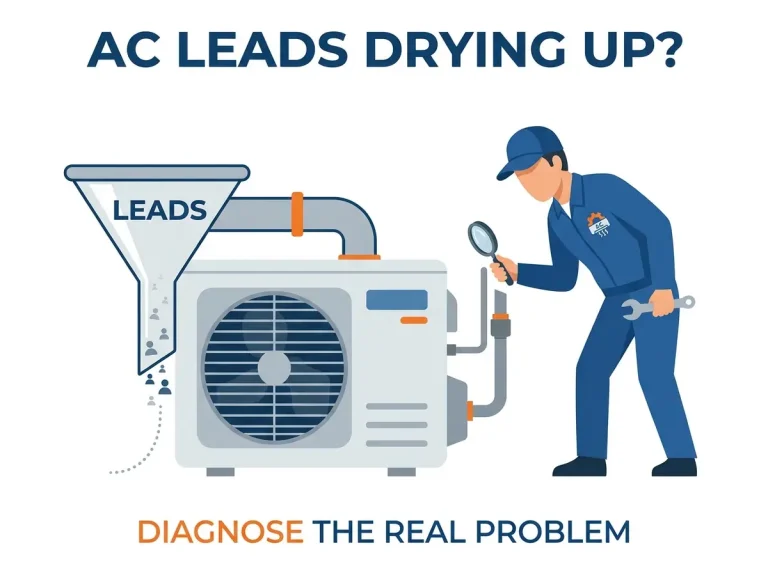
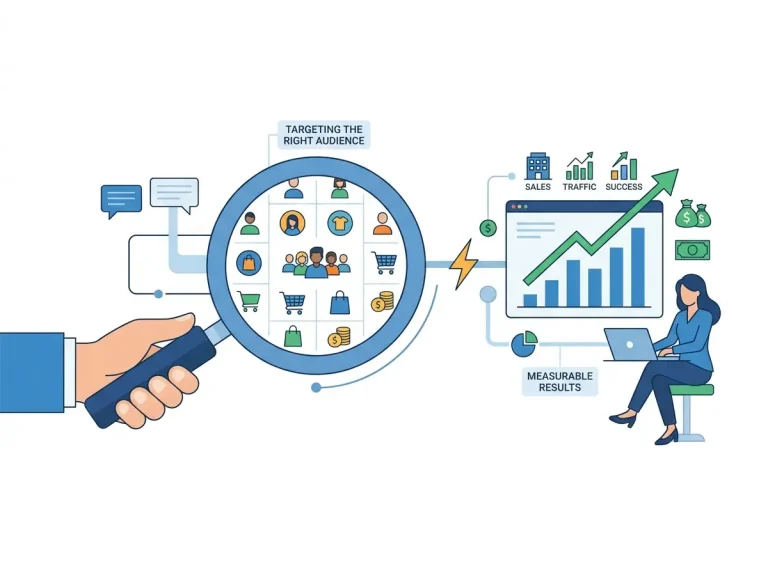
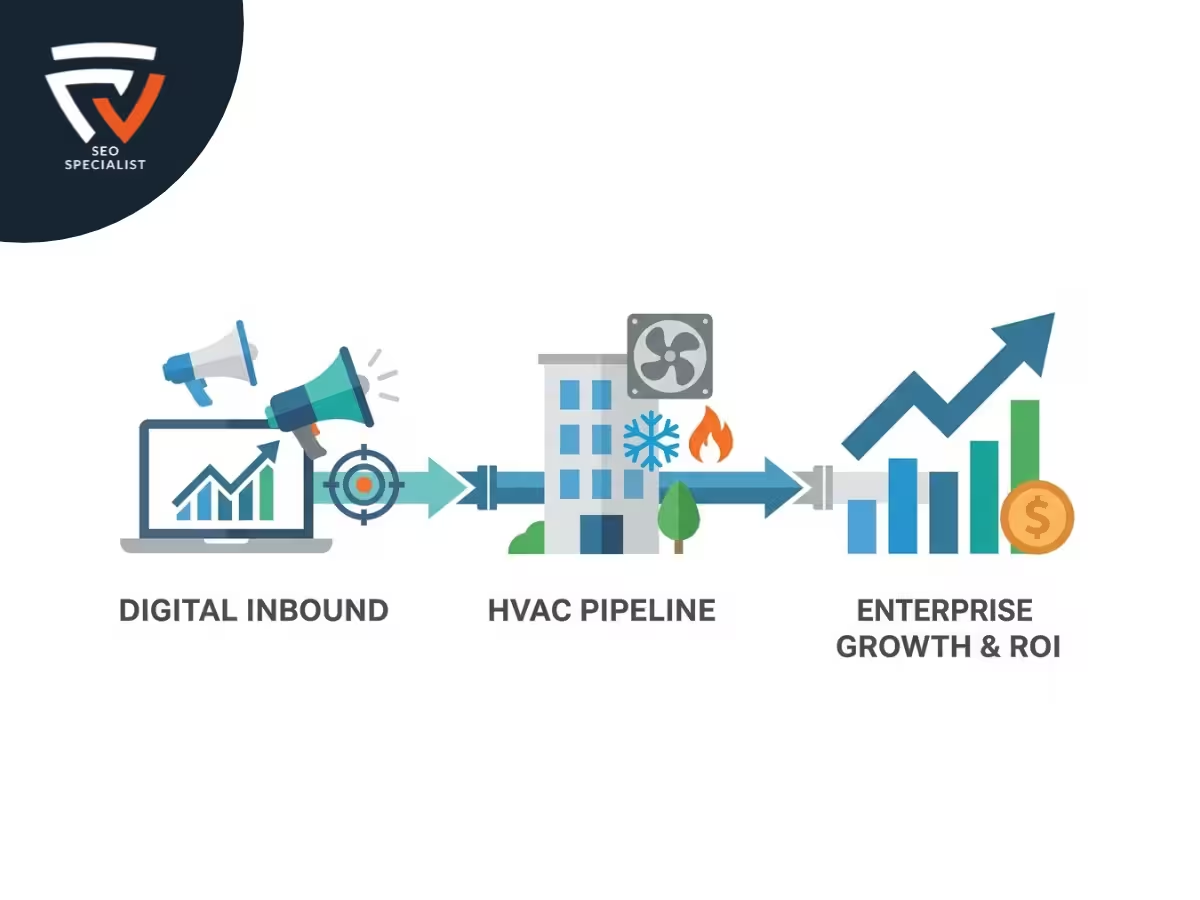
Digital marketing for HVAC is the deployment of integrated search, technical entity architecture, performance telephony, and Generative Engine Optimization (GEO) to capture commercial and residential mechanical service demand. By replacing commoditised paid ad bidding with machine-readable entity schemas, authoritative Knowledge Graph citations, and high-information-gain content, enterprise operators establish predictable customer acquisition pipelines with defensible profit margins.
Across the global climate control and mechanical services landscape, enterprise marketing leadership is confronting a fundamental economic fracture: digital customer acquisition costs are compounding faster than contract margins. Across competitive search auctions, paid search clicks have escalated into aggressive capital-burn battles against private-equity rollups and lead aggregators. Simultaneously, generative AI engines—such as Google AI Overviews, Perplexity, and conversational interfaces—increasingly synthesize troubleshooting advice, system evaluations, and service recommendations directly within the interface, bypassing traditional websites that rely on legacy keyword tactics.
For B2B founders, CMOs, and enterprise growth leads running multi-territory or commercial-scale operations, relying on conventional agency playbooks is a direct path to margin erosion. Running disjointed paid campaigns, publishing thin local landing pages, and relying on third-party lead networks generates unverified traffic and low-margin customer inquiries.
Building a sustainable, market-leading customer acquisition engine requires modernizing how your organization approaches digital marketing for HVAC. Sustainable pipeline growth demands an engineered system: one that anchors your operational footprint in machine-readable search entity graphs, captures generative engine citations through high-information-gain content, and transforms inbound interest into direct, high-margin booked calls.
1. Tangible Business Impact: Pipeline Expansion, Reduced CAC, and Market Defensibility
Enterprise mechanical contractors cannot afford vanity traffic metrics. The efficacy of modern digital marketing must be measured strictly through financial performance: pipeline predictability, customer acquisition cost (CAC) reduction, and long-term organic defensibility.
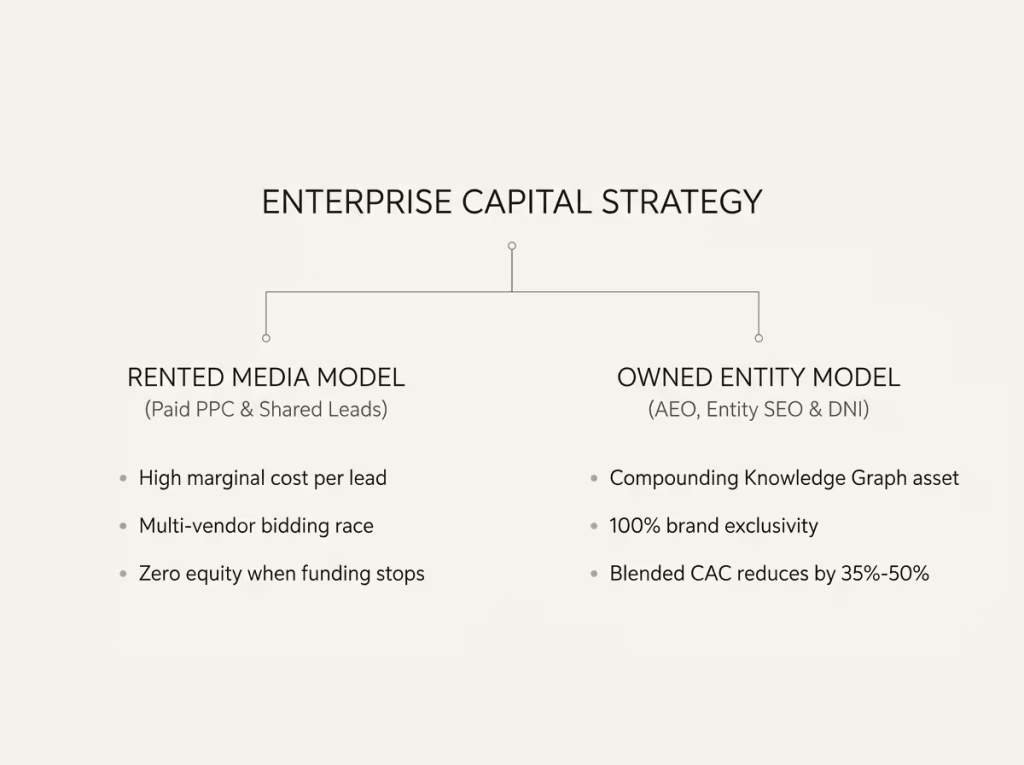
The Financial Metrics of Modern Marketing Architecture
- Systematic CAC Reduction: By moving capital from purely rented channels (paid search and shared directory brokers) into compounding organic entity assets, enterprise providers consistently lower their blended customer acquisition costs by 35% to 50% within 12 months.
- Margin Protection via Brand Exclusivity: Unlike lead brokers that sell a single homeowner’s or facility manager’s inquiry to four competing contractors simultaneously, owned organic search and answer engine architecture yields 100% exclusive, pre-qualified inbound phone calls and direct RFPs.
- Defensibility Against Algorithmic Volatility: Brands mapped as verified entities within global Knowledge Graphs maintain their search visibility during major algorithm updates, while competitors relying on superficial content and unvetted links experience severe traffic volatility.
2. The 2026 HVAC Acquisition Paradigm: Channel Performance Dynamics
Evaluating digital marketing investments requires understanding how different channels perform across commercial system replacements, retrofits, and emergency service calls.
| Performance Dimension | Paid Search & Auction Ads | Shared Third-Party Lead Portals | Legacy SEO Agency Retainers | Enterprise AEO & Entity Systems |
| Immediate Inbound Velocity | Immediate | Immediate | Slow (3–6 months) | Accelerated (2–4 months) |
| Lead Exclusivity | 100% Exclusive | Non-exclusive (Shared with 3–5 peers) | 100% Exclusive | 100% Exclusive |
| Inbound Close Rate | 14% – 22% | 8% – 14% | 15% – 25% | 35% – 52% |
| Impact of Generative AI Search | Ad placements face banner blindness | Directory traffic is bypassed | Zero-click answers capture traffic | Secures direct AI citation & call routing |
| Long-Term Balance Sheet Equity | Zero (Traffic ends with spend) | Zero (Perpetual vendor dependency) | Minimal | High (Permanent Knowledge Graph equity) |
3. Our Proprietary Framework: The 4-Pillar Generative Growth Engine
Capturing high-value commercial mechanical contracts, industrial chiller retrofits, and multi-territory residential service requests requires an integrated architectural approach.
Pillar 1: Knowledge Graph Integration and Entity Salience
Search engines resolve brands through machine-readable entity networks. We structure your organization’s digital identity to ensure complete clarity:
- Implement deeply nested HVACBusiness, CommercialEnterprise, and Service JSON-LD schemas connected via canonical @id URIs.
- Define service territories using precise GeoJSON polygons and authoritative geographic identifiers rather than simple postal-code text lists.
- Map technical certifications, manufacturer master-technician accreditations, and regulatory compliance licenses directly to knowledge nodes via hasCredential schema properties.
Pillar 2: High Information-Gain Content Architecture
Modern retrieval models analyze content against their existing databases. If a website publishes generic articles that rehash standard maintenance advice, it receives a low Information Gain Score and is excluded from AI summaries. We deploy high-gain assets:
- System Diagnostic Schematics: Detailed, step-by-step diagnostic workflows that generative search models can cite directly when answering conversational troubleshooting queries.
- Empirical Engineering Comparisons: Comprehensive data tables evaluating equipment performance, refrigerant transitions (low-GWP alternatives), and life-cycle costing models across variable refrigerant flow (VRF) and packaged rooftop units.
Pillar 3: Retrieval-Augmented Generation (RAG) Formatting
Generative answer engines ingest web content in modular data chunks. To maximize citation frequency:
- Embed factual 45-to-60-word Direct Answer Snapshots immediately beneath primary headings.
- Organize complex engineering and financial specifications into clean, semantic Markdown tables for rapid algorithmic parsing.
- Incorporate structured question-and-answer modules that map directly to high-intent conversational voice queries.
Pillar 4: Telephony Routing and Real-Time Attribution
When critical heating or cooling infrastructure fails, prospective clients pick up the phone. A robust digital strategy must connect digital visibility to live voice dispatch:
- Deploy Dynamic Number Insertion (DNI) across digital touchpoints to tie inbound calls directly to the specific entity content node that originated the inquiry.
- Configure programmatic Interactive Voice Response (IVR) triage to separate urgent commercial emergency repairs from routine residential requests.
- For organizations seeking a complete technical overhaul of their organic search and answer engine infrastructure, our specialized enterprise SEO service delivers the strategic mapping, technical execution, and authority building required to scale inbound pipeline sustainably.
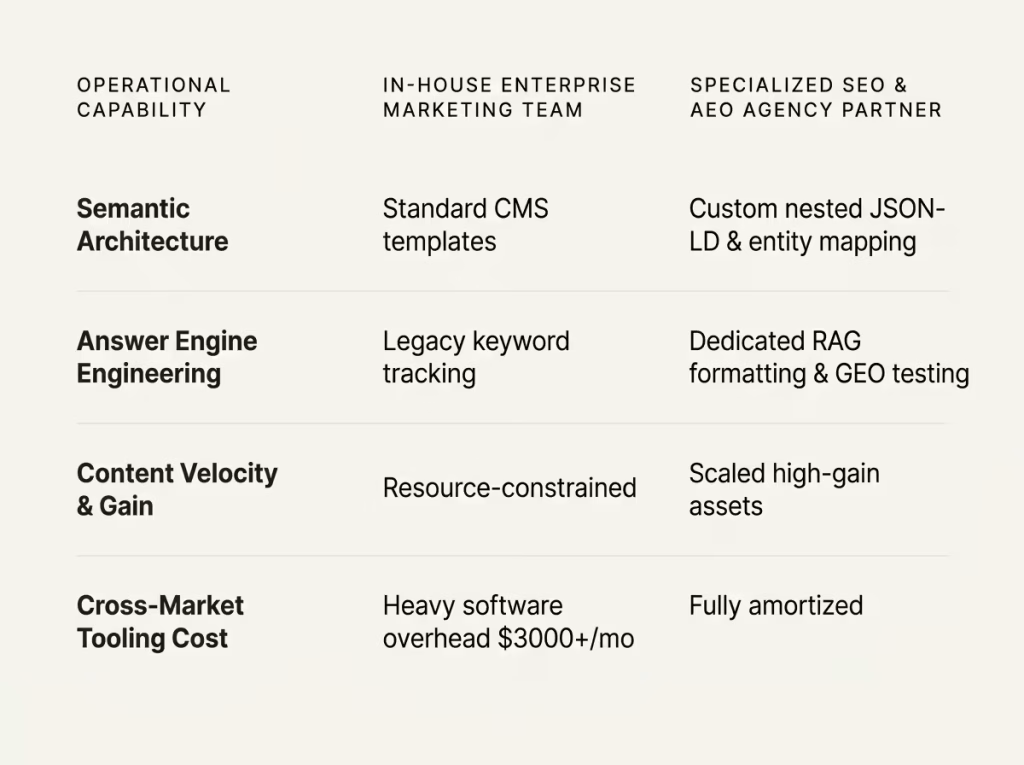
4. Execution Matrix: In-House Limitations vs. Specialized Agency Execution
Enterprise operators often evaluate whether to build these capabilities internally or engage an external strategic partner.
Strategic Scalability for Digital Agencies
For independent digital marketing agencies managing regional mechanical accounts, building out specialized internal teams for schema engineering, knowledge graph mapping, and link acquisition can strain operational capacity. Many forward-thinking agencies partner with white-label digital marketing infrastructure to deliver enterprise-grade semantic mapping, high-authority backlink acquisitions, and scalable technical execution under their own brand banner.
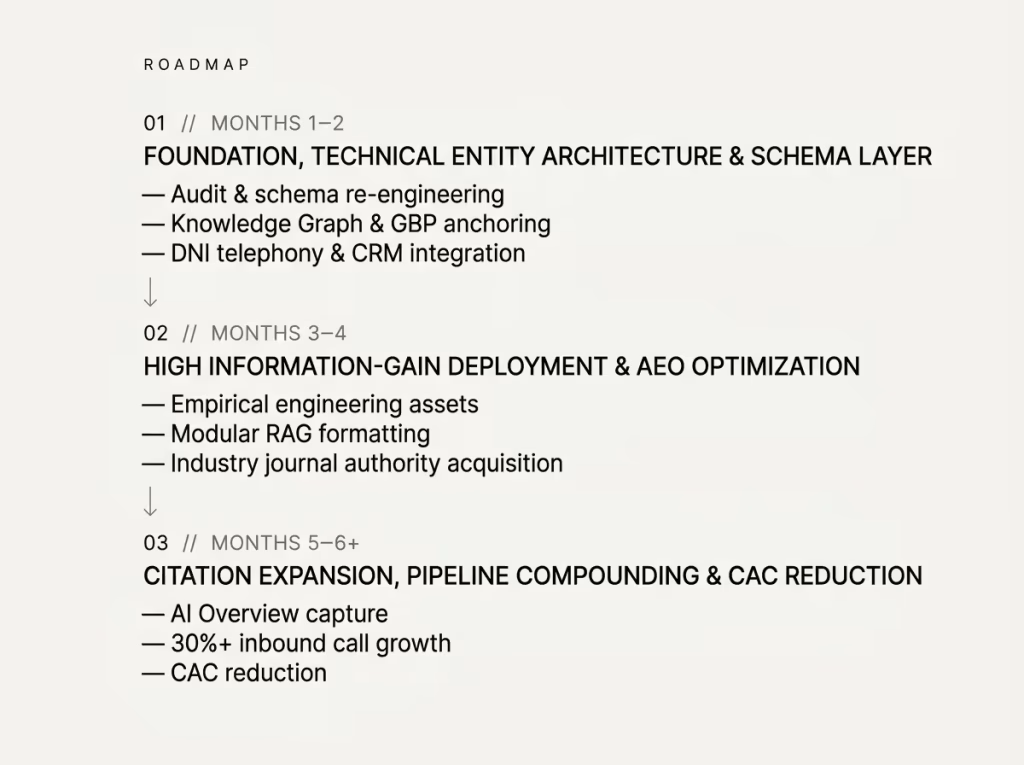
5. Measurable ROI Milestones and Deployment Timelines
Transitioning from rented advertising channels to an owned organic entity engine follows a clear operational roadmap:
6. Frequently Asked Questions
How does digital marketing for HVAC differ in generative search environments?
Modern digital marketing for HVAC focuses on establishing your business as an authoritative entity within machine-readable knowledge graphs rather than simply chasing raw keyword density. By structuring technical data for Retrieval-Augmented Generation (RAG) and maintaining strong Information Gain Scores, your brand earns direct citations in AI summaries across Google AI Overviews, Perplexity, and conversational engines.
What is the most cost-effective digital marketing channel for commercial HVAC contractors?
The most cost-effective channel is owned entity-based search and Answer Engine Optimization (AEO). While paid search ads offer rapid testing capabilities, their customer acquisition cost rises continuously with auction competition. In contrast, an optimized entity architecture creates permanent Knowledge Graph authority, producing exclusive, high-margin commercial inquiries at a steadily decreasing marginal cost.
How does Dynamic Number Insertion (DNI) improve marketing attribution?
DNI uses dynamic JavaScript to assign unique telephone numbers to individual website sessions, capturing the exact keyword, AI search referral, or campaign source that generated the call. This telemetry feeds directly into your CRM, enabling marketing leadership to measure revenue per scheduled truck roll rather than relying on vanity web traffic metrics.
Why is schema markup critical for enterprise HVAC companies?
Schema markup translates organizational credentials, operational territories, verified technician licensing, and equipment specialisations into standardized JSON-LD code. AI search crawlers parse this structured data to verify your physical locations and service capabilities, which directly governs whether your business is surfaced in localized generative answer boxes.
Transform Your Inbound Acquisition Infrastructure
Continuing to funnel operational capital into volatile ad auctions and low-intent shared lead brokers leaves your enterprise margins vulnerable. Building an industry-leading HVAC enterprise requires an engineered customer acquisition system—one that establishes authoritative entity presence, secures direct citations across modern AI answer engines, and delivers predictable, high-margin inbound pipeline.
Our strategists build advanced entity search architectures, AEO systems, and scalable inbound engines for forward-thinking mechanical service enterprises.
Ready to modernize your digital customer acquisition and protect your operating margins?
- Book an Inbound Growth Strategy Call: Contact our team
- Direct Line: +63966337049
- Direct Email: contact@fervilvon.com